
Advanced Data Recovery
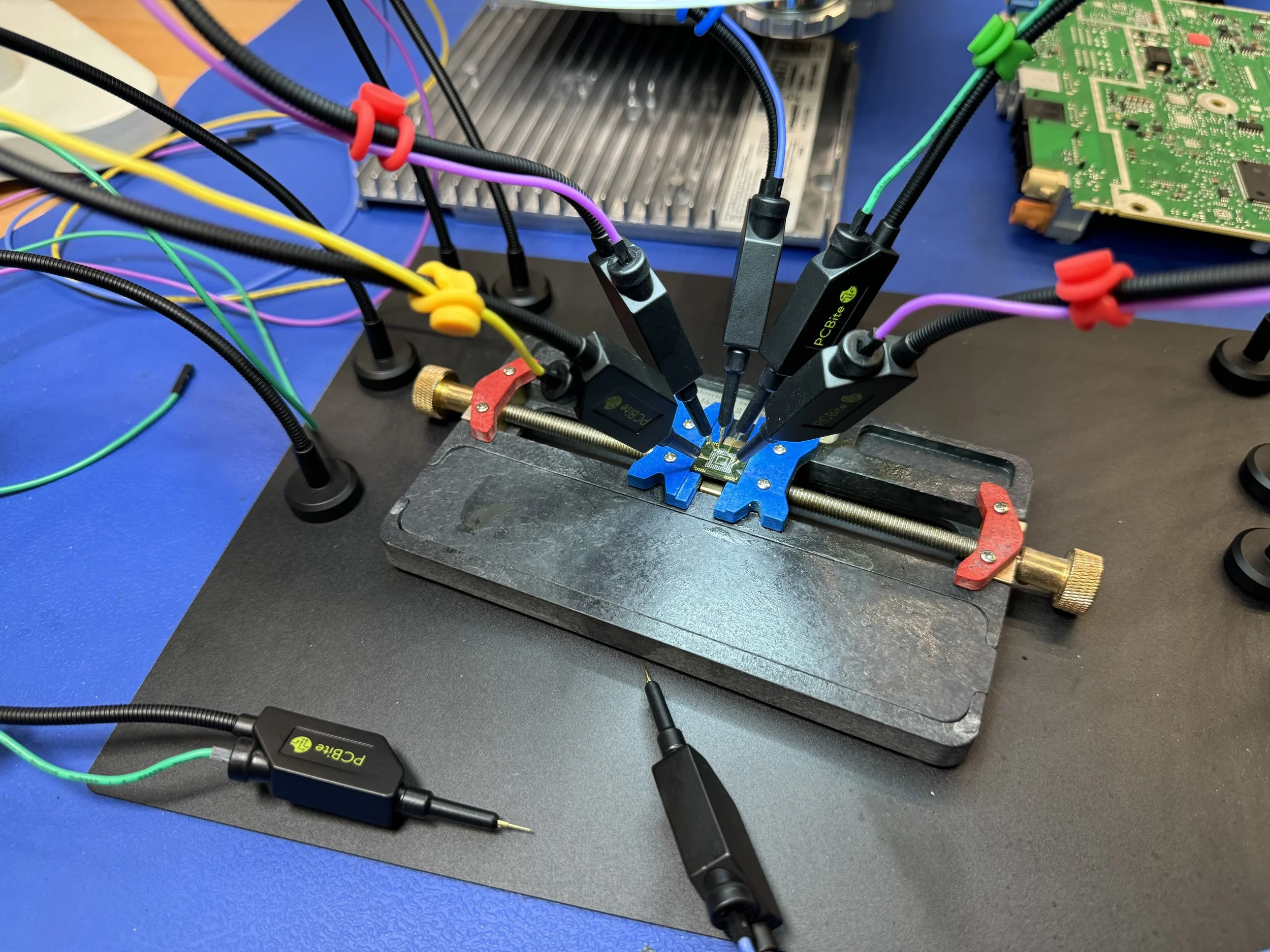
Forensic recovery from flash storage that won't mount, won't respond, and won't operate through conventional means - until Fenix gets to the NAND directly.

What We Recover.
The device stopped working. The data almost certainly didn't.
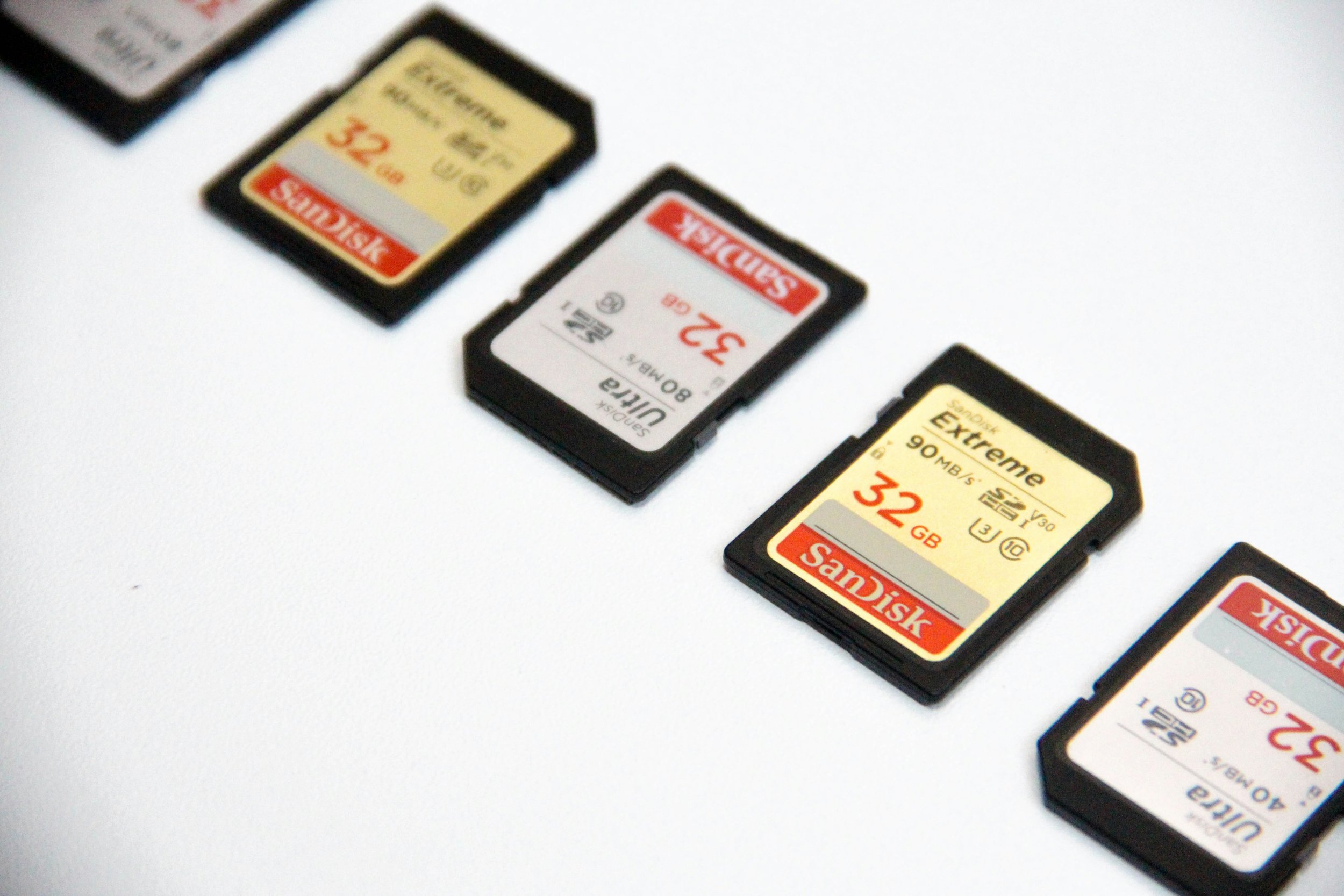
SD cards and USB drives fail. It's not a question of if - it's when. These are consumable storage media with finite write cycles, and when they reach the end of their lifespan they stop responding. The drive that held the dashcam footage, the SD card from the fleet camera, the USB drive with the recovered files - when they fail the assumption is that the data is gone. In most cases that’s not necessarily true. A card or drive that won't mount, won't be recognized, and won't respond to conventional software has most likely failed at the controller or file system level - not at the NAND level where the data actually lives.
For an attorney whose case depends on video or records stored on media that failed, the question isn't whether the device works. It's whether the data is still on the chip.
For an investigator managing evidence from a dashcam, a fleet system, or a recovered device, writing off failed media before a forensic assessment is a permanent decision. The data may still be there.
Fenix determines whether it is - and recovers it through direct NAND interface access when conventional methods can't reach it.
Flat Rate Service. $500 (logical), $800 (repair), $1,500 (chip-off)
How We Recover.
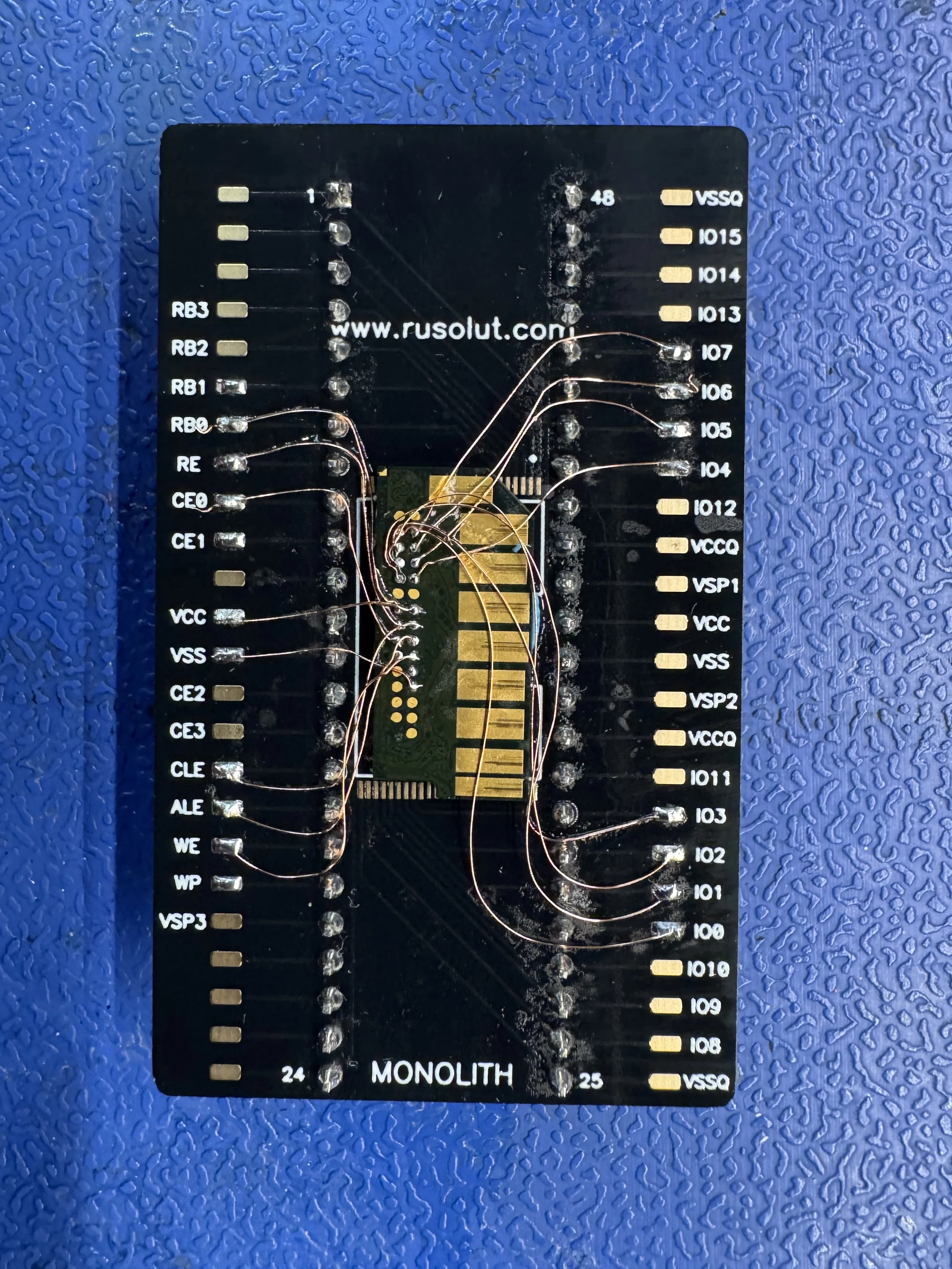
When the device won't respond, we go directly to the NAND.
A storage device that won't mount, won't be recognized, and won't respond to conventional recovery software isn't necessarily unrecoverable. The device has failed. The NAND chip storing the data usually hasn't. Fenix accesses that chip directly through the NAND interface - bypassing the failed controller, the corrupted file system, and the damaged circuitry entirely - and reads the raw data from the chip itself.
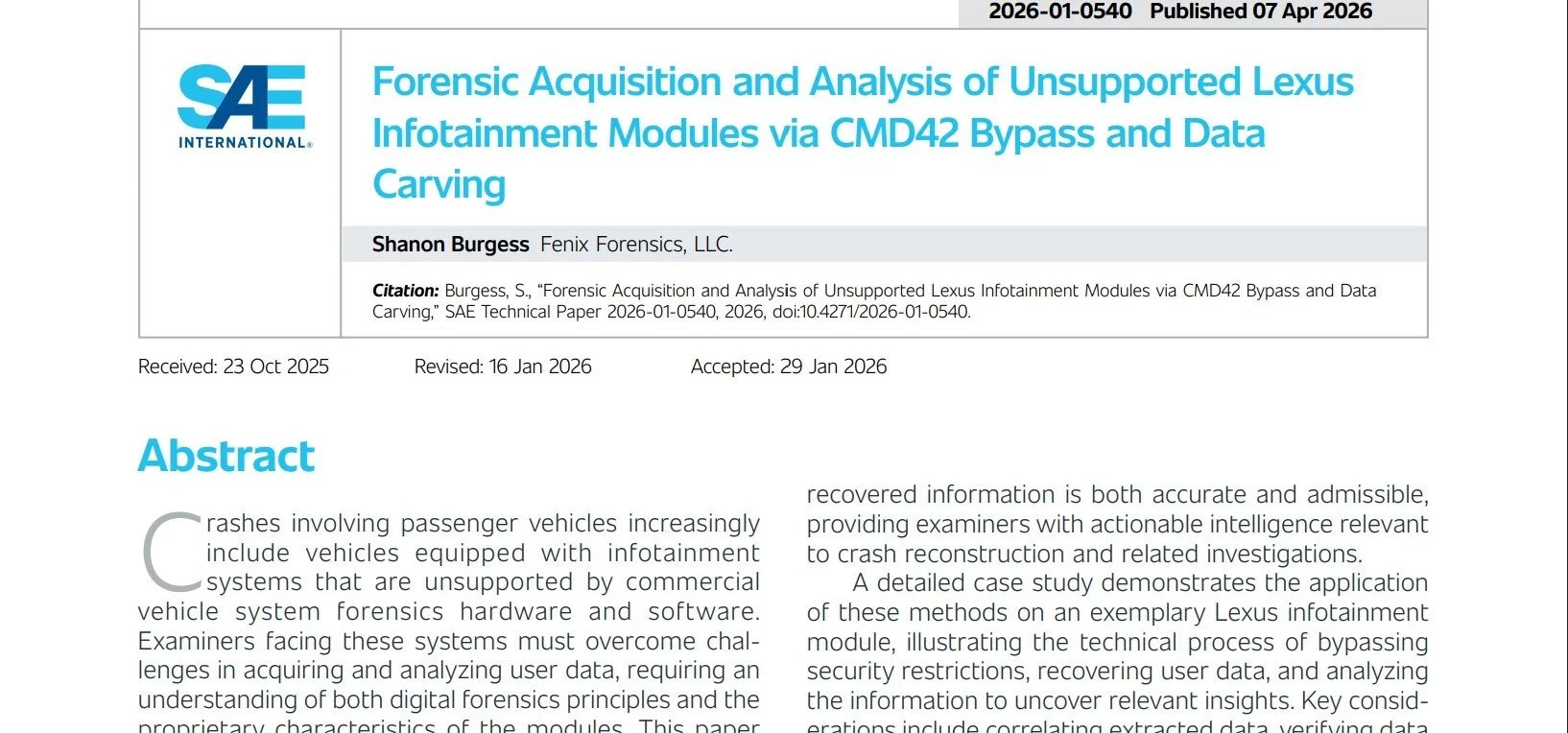
When the file system can't be reconstructed from the raw binary image, data carving techniques identify and extract recoverable files directly from the binary data without relying on the file system at all. Fenix's 2026 peer-reviewed research at the SAE World Congress demonstrated exactly this process on a Lexus infotainment SD card - the same techniques apply to any flash storage where the file system can't be rebuilt.
Forensic Acquisition and Analysis of Unsupported Lexus Infotainment Modules via CMD42 Bypass and Data Carving — Burgess. SAE Technical Paper 2026-01-0540. WCX SAE World Congress Experience, Detroit, April 2026.
When To Engage us.
If the device won't respond, engage Fenix before assuming the data is gone.
Flash storage fails for many reasons - internal wear, logical corruption, controller failure, physical damage, electrical fault, or simply reaching the end of its write cycle. In most cases the NAND chip storing the data outlasts the device around it. A storage device that stopped working is not the same as one that lost its data. Fenix determines whether the data is still there and recovers it forensically if it is.
This service applies to any investigation where data stored on flash media is relevant - crash reconstruction, theft, insurance fraud, criminal defense, and civil litigation. The device doesn't need to respond, mount, or show any signs of life to qualify. Submit it and Fenix will assess what's recoverable before work begins.
Frequently Asked Questions
-
Most storage devices have a controller - a chip that manages how data is written to and read from the NAND storage chip. When the device fails, it's usually the controller or the surrounding circuitry that has failed, not the NAND chip storing the data. Direct NAND interface recovery bypasses the failed controller entirely, connecting to the NAND chip itself and reading the raw data directly. This is what makes recovery possible from devices that won't respond to any conventional method.
-
When a file system can't be rebuilt from the raw binary image - because of corruption, partial overwriting, or damage to the file system structure - data carving techniques can still recover files directly from the binary data. This process identifies file signatures, headers, and data structures within the raw binary and extracts recoverable files without relying on the file system at all.
-
SD cards, USB drives, eMMC, and NAND flash from any source - vehicle infotainment systems, dashcams, mobile devices, embedded controllers, or standalone media. If it's flash storage and it failed, it's a potential candidate for recovery.
-
Flash storage is more resilient than most people expect - but the answer depends on the failure mode. Internal wear and logical corruption are the most common reasons a device stops working, and in both cases the underlying NAND data is frequently intact and recoverable. What determines recoverability isn't what happened to the device - it's whether the NAND chip itself was affected.
-
When the NAND chip itself is damaged - not just the device around it. Severely overwritten sectors, physical destruction of the chip die, or electrical damage that reaches the NAND itself are the conditions that limit recovery regardless of method. Fenix assesses every submission before full recovery work begins and will tell you if the chip is beyond recovery before you're invoiced for work that can't succeed.
-
No. This service covers flash-based storage only - NAND, eMMC, SD cards, and USB drives. Mechanical hard drives and encrypted storage without a known key are outside the scope of this service. If you're unsure whether your media qualifies, contact us before submitting.
Ready to submit a case?
Flat rates. Forensic-grade output. Expert availability on every engagement - from discovery through trial testimony.