
Dash Camera / VEDR Forensics
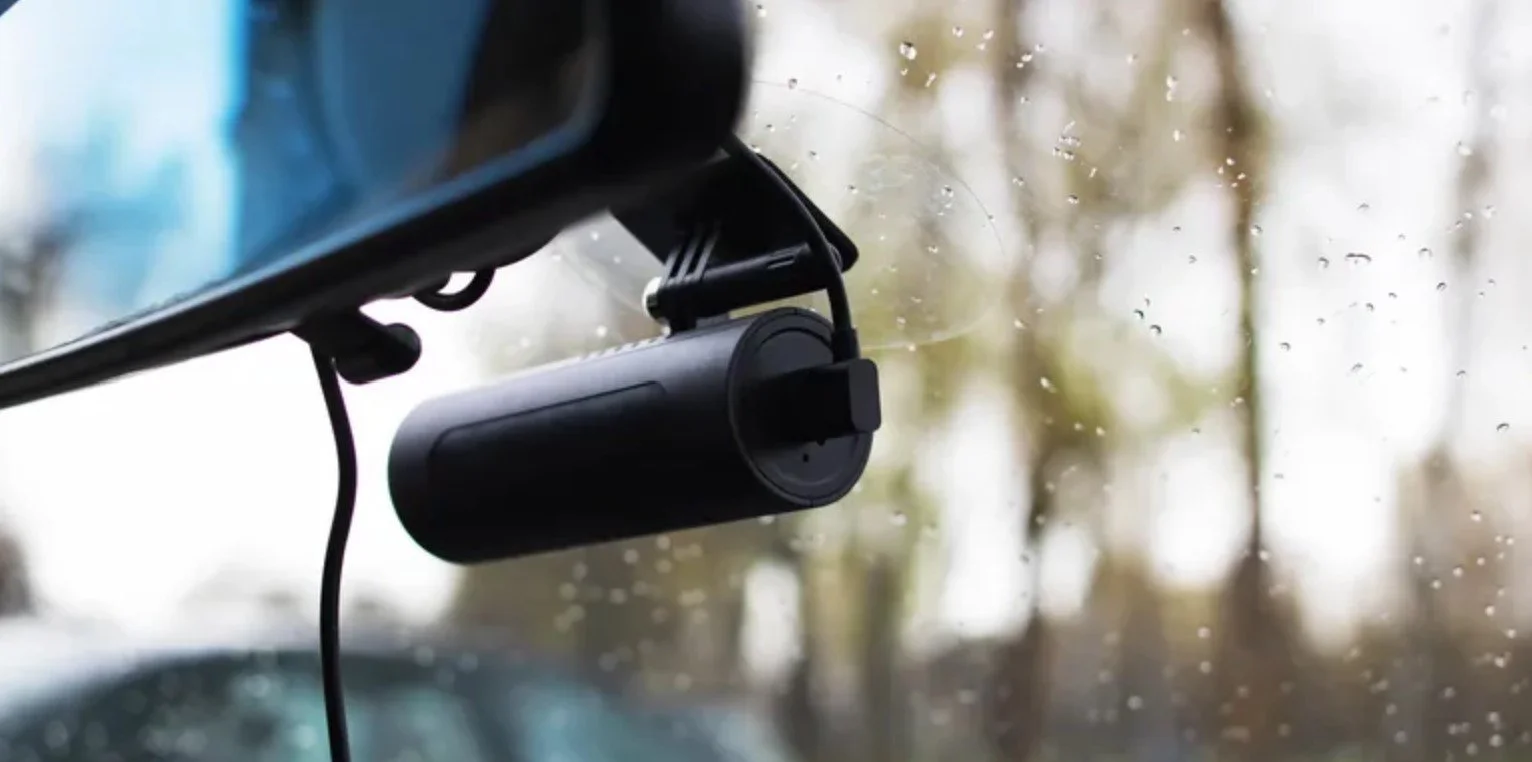
Forensic acquisition of dashcam and vehicle event data recorder (VEDR) systems — the video, the data, and the driving history your case needs.

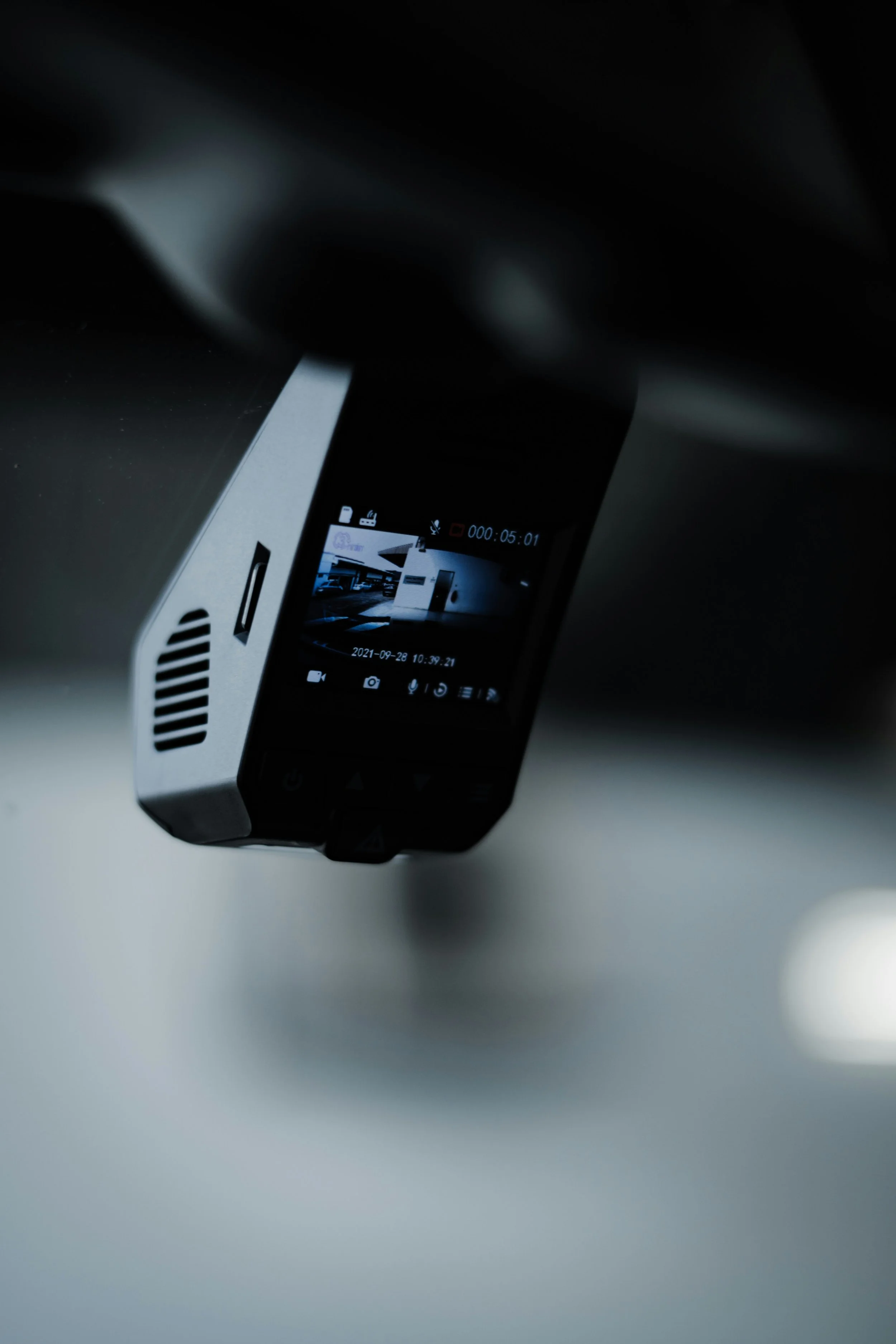
What We Acquire
The camera captured the crash. The system recorded everything else.
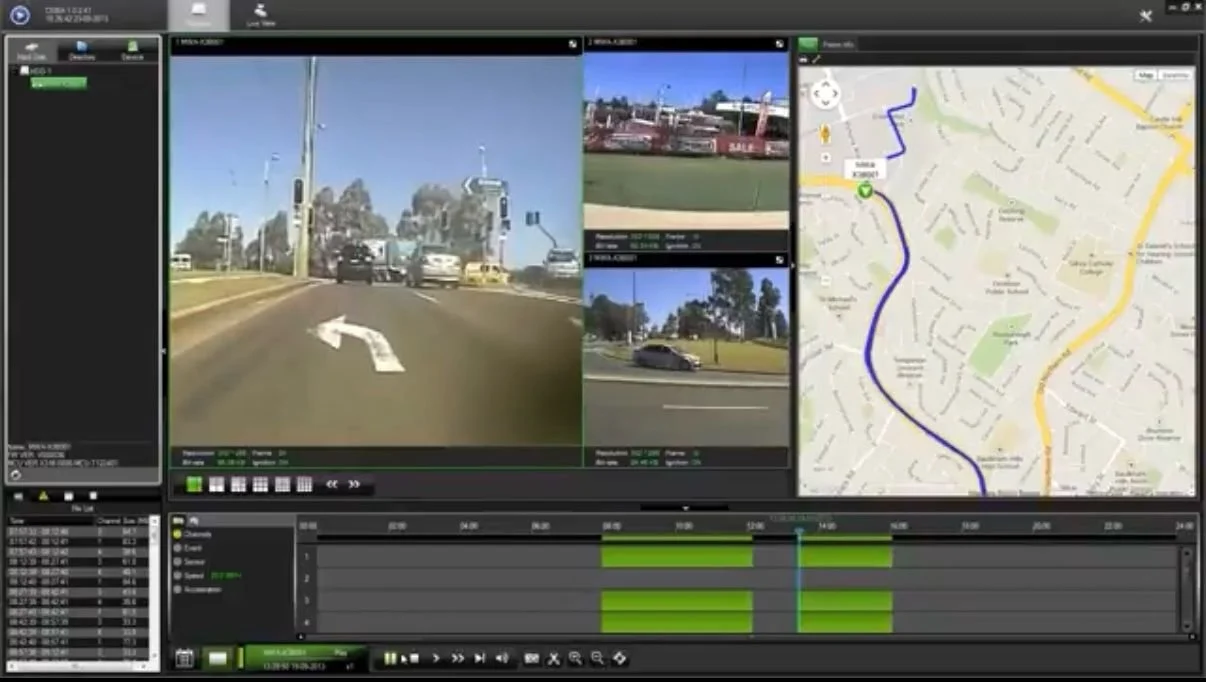
Most attorneys retain dashcam and VEDR systems for the video. The video matters - but there is other valuable datasets the system holds. Most commercial VEDR systems record vehicle events continuously over the life of the driver assignment: camera obstructions, distraction events, following distance violations, speeding infractions, harsh braking, collision triggers, GPS tracklogs, and acceleration profiles - all timestamped and stored in a system designed to document driver behavior at scale.
For a plaintiff attorney building a negligence case, that behavioral history is evidence of a pattern - not just an incident.
For a defense attorney representing a driver with a clean record, that same dataset can be powerful character evidence.
Fenix recovers all of it, from the cloud portal and the physical device, forensically preserved and court-ready.
Flat Rate Service. $950 (cloud) - $1,200 (physical)
Beyond the Video
The data exists. Not everyone knows about it.
VEDR systems are designed for fleet risk management, not litigation. The data they hold - driver behavior scores, event histories, GPS tracklogs, speed profiles, and acceleration data - is retained on-device and in cloud portals that most attorneys rarely access and most forensic firms don't know how to acquire. Fenix does.
Cloud portal acquisition requires documented authorization from the fleet operator and knowledge of how each system organizes and retains its data.
Physical device acquisition requires tooling for systems that don't respond to conventional extraction. In-house methodology developed from active casework covers both. Every acquisition is hash-verified, chain of custody documented from intake through return, and delivered in a forensic report that makes the behavioral data usable in court - not just technically recovered but analytically presented.
The event history doesn't lie. A driver with 47 distraction events, repeated following distance violations, and an aggressive acceleration profile in the 90 days before the crash tells a fundamentally different story than a driver with none. Fenix makes sure that story is in your case file.
When To Engage Us
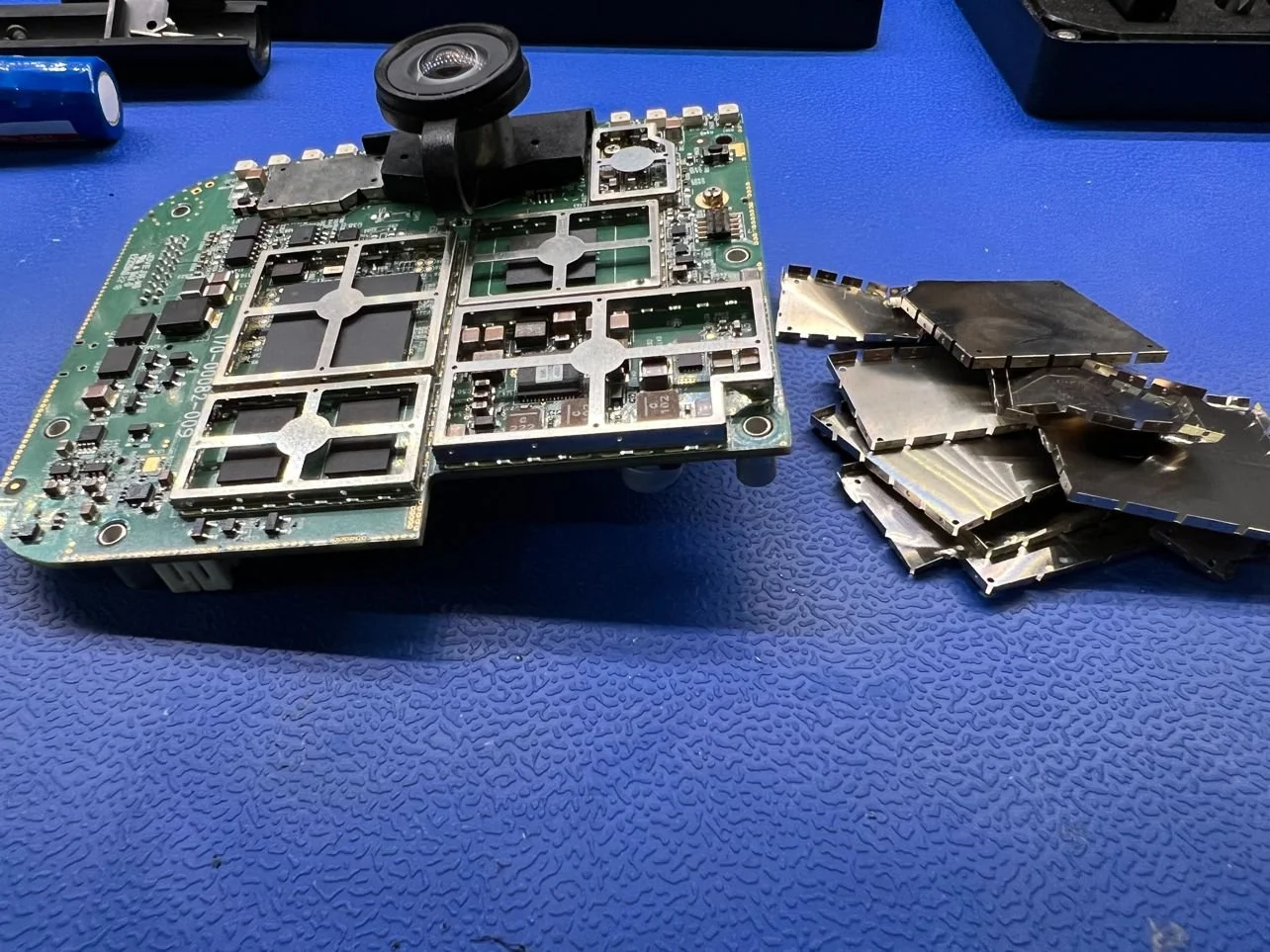
If a commercial vehicle was involved and the operator uses a VEDR system, engage Fenix before the data retention window closes.
When a dashcam or VEDR is powered and running, it is often actively overwriting older video on a continuous loop. If the vehicle remains in service after the incident, the video from the event may already be gone by the time anyone thinks to secure it. GPS tracklogs, acceleration profiles, and behavioral event histories stored in the cloud portal operate on a separate retention window - depending on the operator - but that window is also finite. The sooner the portal is accessed and the device is secured, the more complete the dataset.
This service applies to any matter where driver behavior, vehicle location, acceleration data, or event history is relevant - personal injury litigation, wrongful death, fleet liability, criminal defense, insurance fraud, and any case where the question isn't just what happened in the crash but what kind of driver was behind the wheel.
Frequently Asked Questions
-
Depending on the system and operator configuration, VEDR behavioral data can include: GPS tracklogs showing the vehicle's precise route and location history, speed profiles, acceleration and deceleration events, harsh braking triggers, following distance violations, distraction events, camera obstruction alerts, collision triggers, and driver behavior scores calculated over time. This data is typically stored continuously over the life of the driver assignment - not just during the incident in question.
-
A dashcam is a consumer-grade camera mounted to record forward or cabin footage. A vehicle event data recorder is a commercial-grade system typically deployed in fleet vehicles that records video alongside a comprehensive telematics dataset - speed, GPS tracklogs, G-force measurements, acceleration and deceleration profiles, braking events, distraction events, camera obstructions, following distance violations, and driver behavior scoring. The telematics dataset is often more valuable to litigation than the footage itself. Fenix acquires both.
-
Retention periods vary by system and operator settings but typically between 30 and 90 days for event clips and behavioral data, though some systems retain data much longer. If a commercial vehicle is involved in an incident, cloud data should be secured as quickly as possible. Fenix can confirm the retention window for a specific system before you submit.
-
Cloud portal acquisition requires documented authorization from the fleet operator or vehicle owner and access credentials for the portal. Fenix cannot access cloud-stored data without both. If your case involves a subpoena or court order directing production of cloud data, contact us before submitting to confirm the documentation required.
-
In many cases, yes. Physical damage to the camera housing often leaves the internal storage intact. Fenix assesses the device on arrival and applies appropriate acquisition methods - including in-house developed tooling for systems that don't respond to conventional extraction. If the storage is beyond recovery, Fenix will tell you before full work is performed.
-
Dashcams and VEDR systems typically record on a loop, overwriting older video when storage is full. Whether video from a specific event survives depends on when the device was secured relative to when the event occurred. The sooner the device is secured and submitted, the higher the likelihood that relevant video remains. Fenix will assess what is present on arrival.
Ready to submit a case?
Flat rates. Forensic-grade output. Expert availability on every engagement - from discovery through trial testimony.