
Mobile Device Forensics
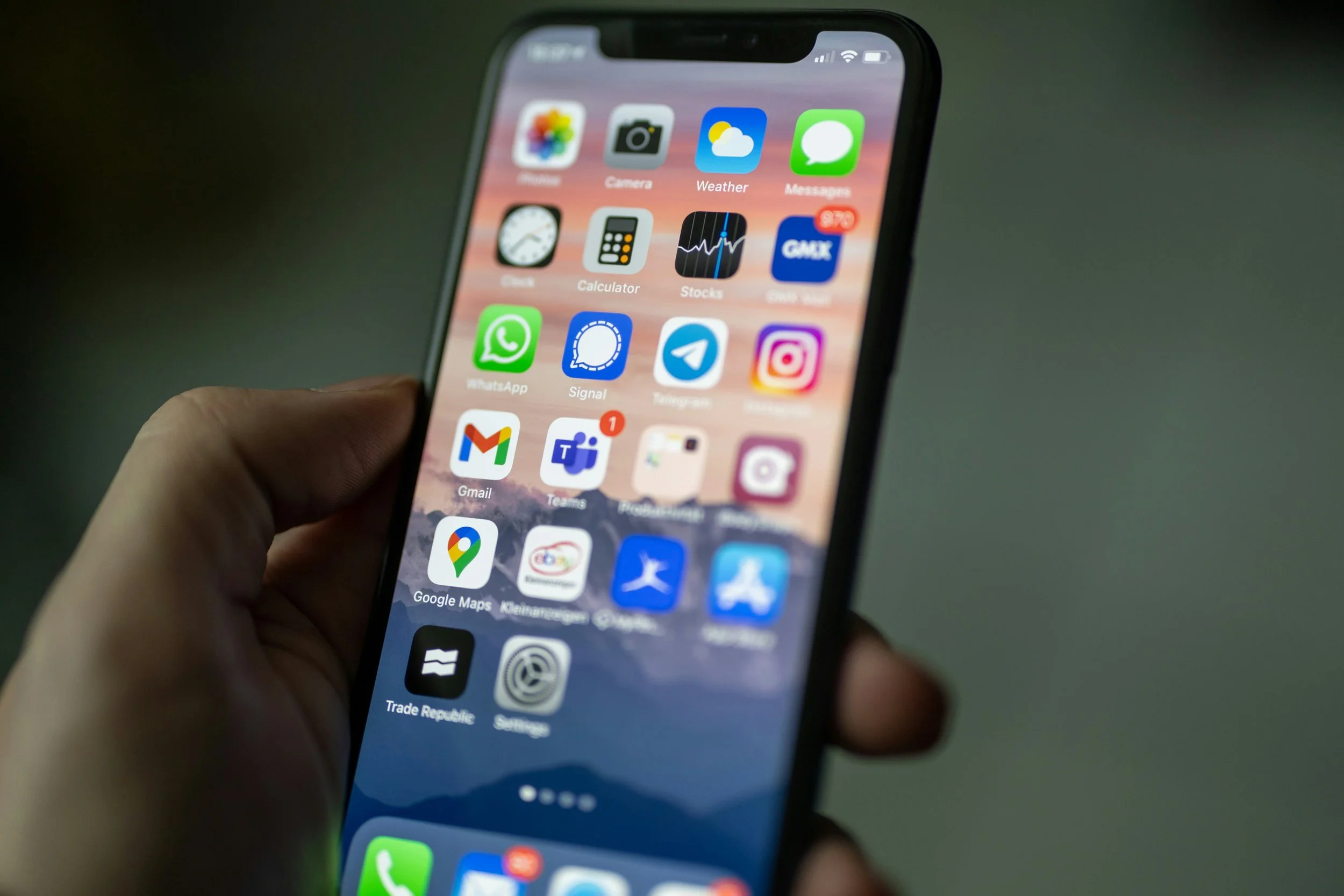
The deepest mobile evidence available - everything the device recorded, including what the user didn't know it was capturing.


What We Acquire
The phone was there. It recorded whether the driver was distracted - whether they know it or not.
Every smartphone captures a continuous record of what it was doing, what was running, and how it was being used - independent of what the driver recalls or claims. During a crash event, that record answers one of the most contested questions in vehicle litigation: was the driver actively using their phone at the moment of impact. Not just calls and texts - app interaction, screen activity, notification responses, and device activity are all captured in the data a full file system extraction recovers.
For a plaintiff attorney establishing distraction, that data is the most direct evidence available.
For a defense attorney disproving a distraction claim, that same dataset clears a driver who wasn't on their phone in a way no witness testimony can match.
Fenix performs full file system extractions exclusively - the acquisition method that recovers both the obvious dataset and everything the operating system recorded that never appears in a logical extraction. iOS and Android. Forensically preserved and court-ready.
Flat Rate Service. $1,200 per device
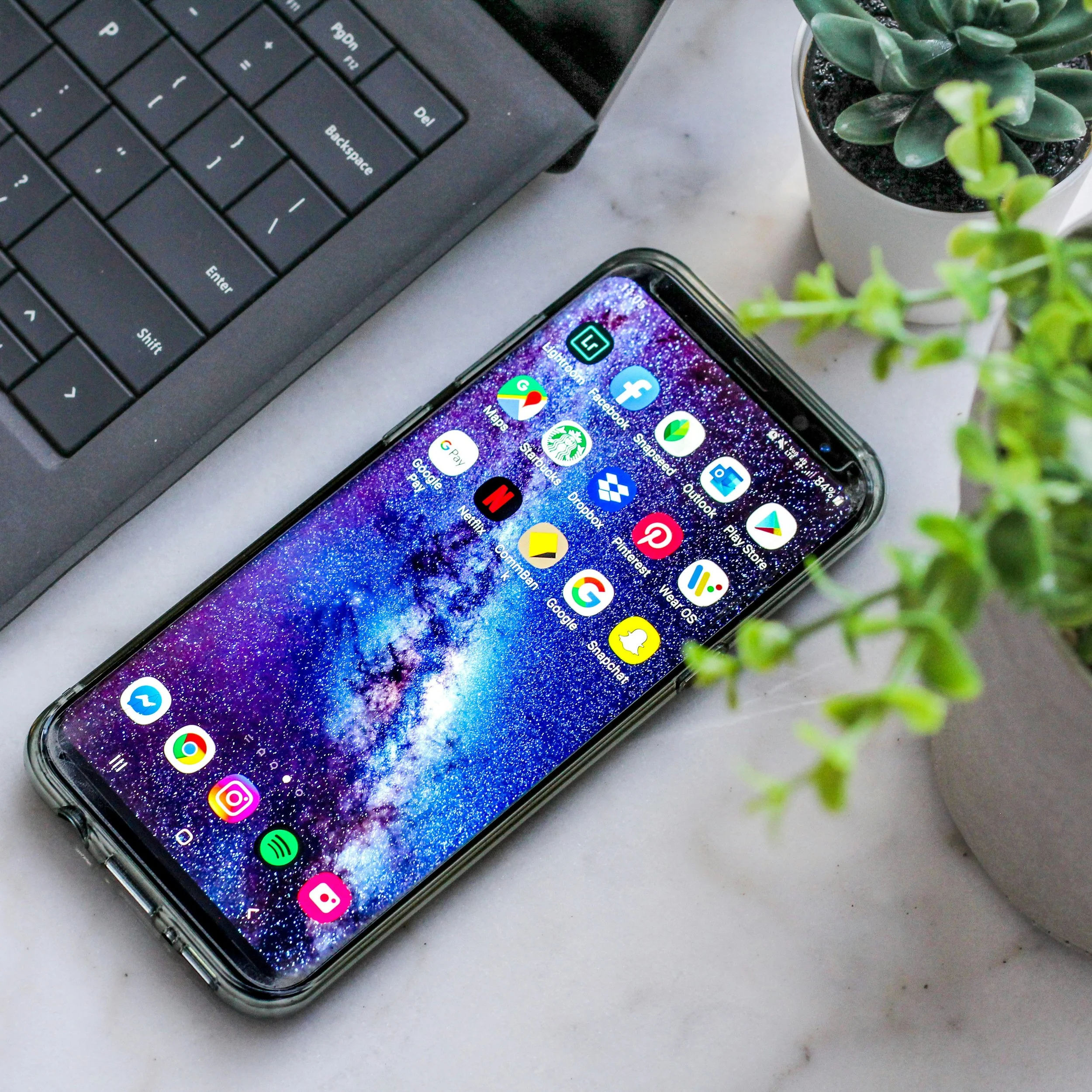
Beyond Messages
The data exists. The phone recorded it whether the user knew it or not.
Location history that places a device at a scene without relying on a single app. Speed data recorded without any navigation running. Health data documenting physical activity in the minutes before an event. Device activity logs establishing what was open, what was connected, and what the device was doing independent of user action. None of this appears in a standard extraction. All of it is present in a full file system extraction.
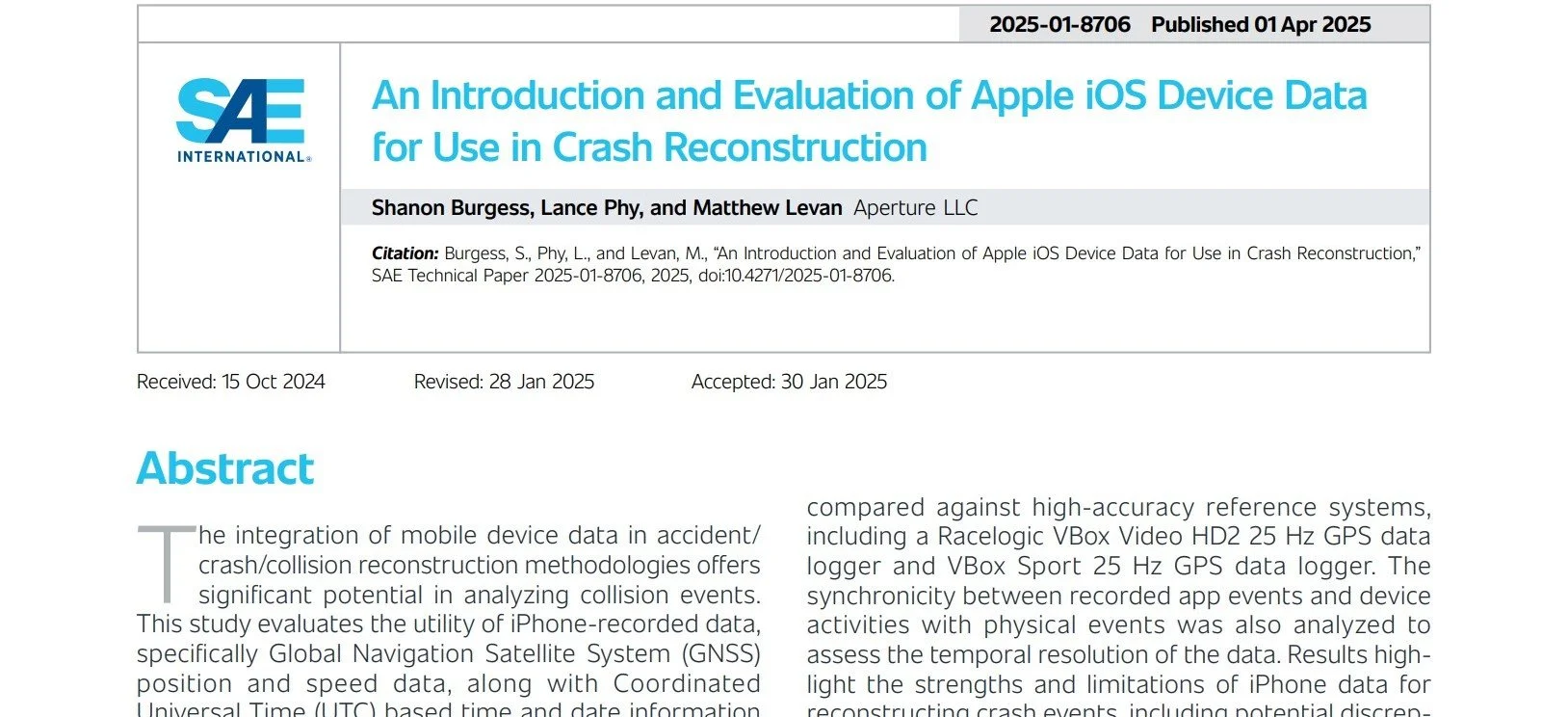
Fenix’s founder published peer-reviewed research at the SAE World Congress in 2025 validating iPhone-recorded location and speed data against professional GPS reference systems - confirming it is reliable enough to support crash reconstruction and event timeline analysis.
An Introduction and Evaluation of Apple iOS Device Data for Use in Crash Reconstruction — Burgess, Phy & Levan. SAE Technical Paper 2025-01-8706. WCX SAE World Congress Experience, Detroit, April 2025.
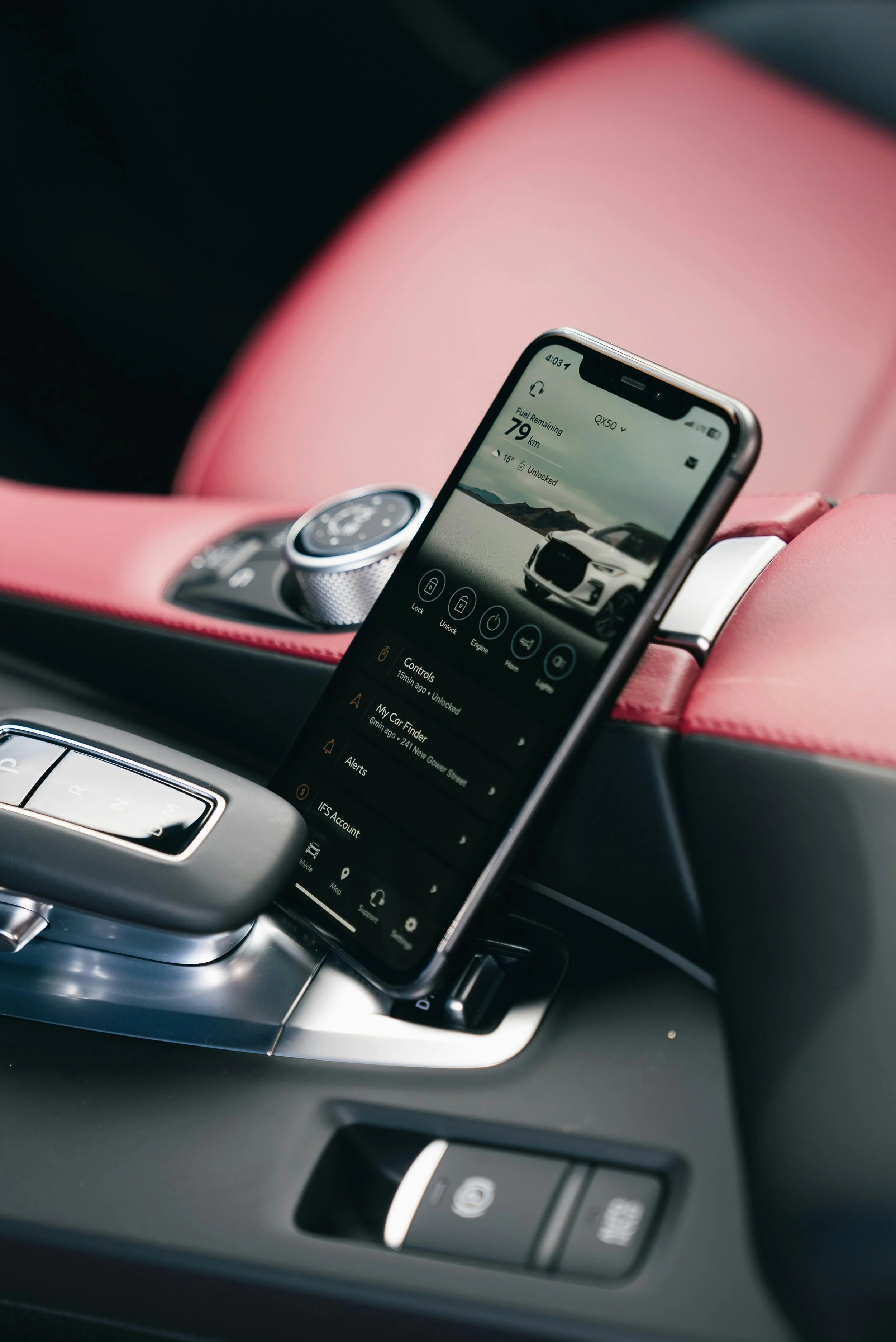
When To Engage Us.
If the phone was there, engage Fenix. What it recorded may be the most complete evidence in your case.
The dataset a full file system extraction produces - location history, speed data, health and motion records, device activity logs - exists on every smartphone regardless of what the user was doing or what they thought the phone was capturing. For cases where timeline, location, speed, or behavior are material questions, that data answers them with a level of granularity most other evidence sources can’t match.
This service applies to any investigation where mobile device data is relevant - crash reconstruction, personal injury litigation, insurance fraud, domestic matters, criminal defense, theft, and civil disputes. iOS and Android devices are both within scope.
Frequently Asked Questions
-
Yes. Device owner consent is required before submission. Fenix does not perform acquisitions without documented consent.
-
Fenix uses Magnet Verakey one of the broadest full file system acquisition tools available for iOS and Android devices. Coverage is extensive across current and recent device generations. If you're unsure whether a specific device is supported, contact us before submitting.
-
Standard turnaround is 7 business days from the day your device arrives. You'll receive a complete Magnet AXIOM tool report alongside a forensic report documenting the methodology, acquisition details, and chain of custody. The tool report organizes the extracted data into searchable, reviewable categories - communications, location history, app data, deleted files, and more - so your team can work directly with the evidence without needing additional processing. Rush service is available when your case has a deadline.
-
No. This service covers on-device data only. Cloud accounts, carrier records, and remote data sources are separate services. What Fenix extracts is what lives on the physical device at the time of acquisition.
-
Any investigation where mobile device data is relevant. That includes crash reconstruction, personal injury litigation, insurance fraud, domestic matters, criminal defense, theft, and civil disputes. The data the device holds is the same regardless of the nature of the case. What changes is how your investigation uses it.
-
Peer-reviewed research published at the SAE World Congress in 2025 evaluated iPhone-recorded GNSS position and speed data against high-accuracy reference systems, including a Racelogic VBox GPS data logger. The research confirmed that iPhone data can be a reliable source of location and speed information for crash reconstruction and event timeline analysis, while also documenting the conditions under which accuracy may vary. That published research is available to support the admissibility of iPhone location data when it is challenged in court.
Ready to submit a case?
Flat rates. Forensic-grade output. Expert availability on every engagement - from discovery through trial testimony.