
Vehicle Key Fob Forensics
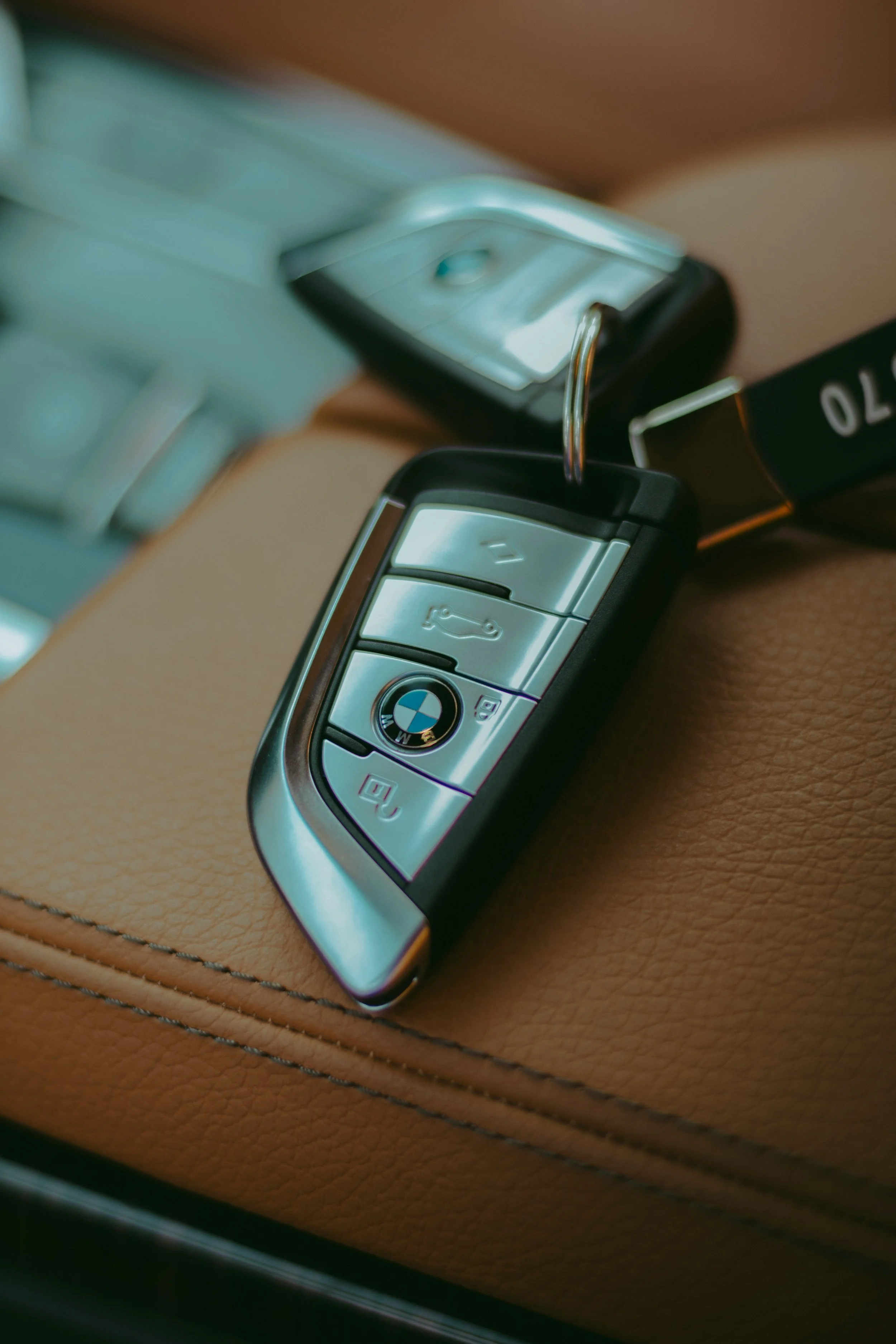
Physical and electronic examination of vehicle key fobs - forensic findings that confirm or contradict the claimed theft narrative.

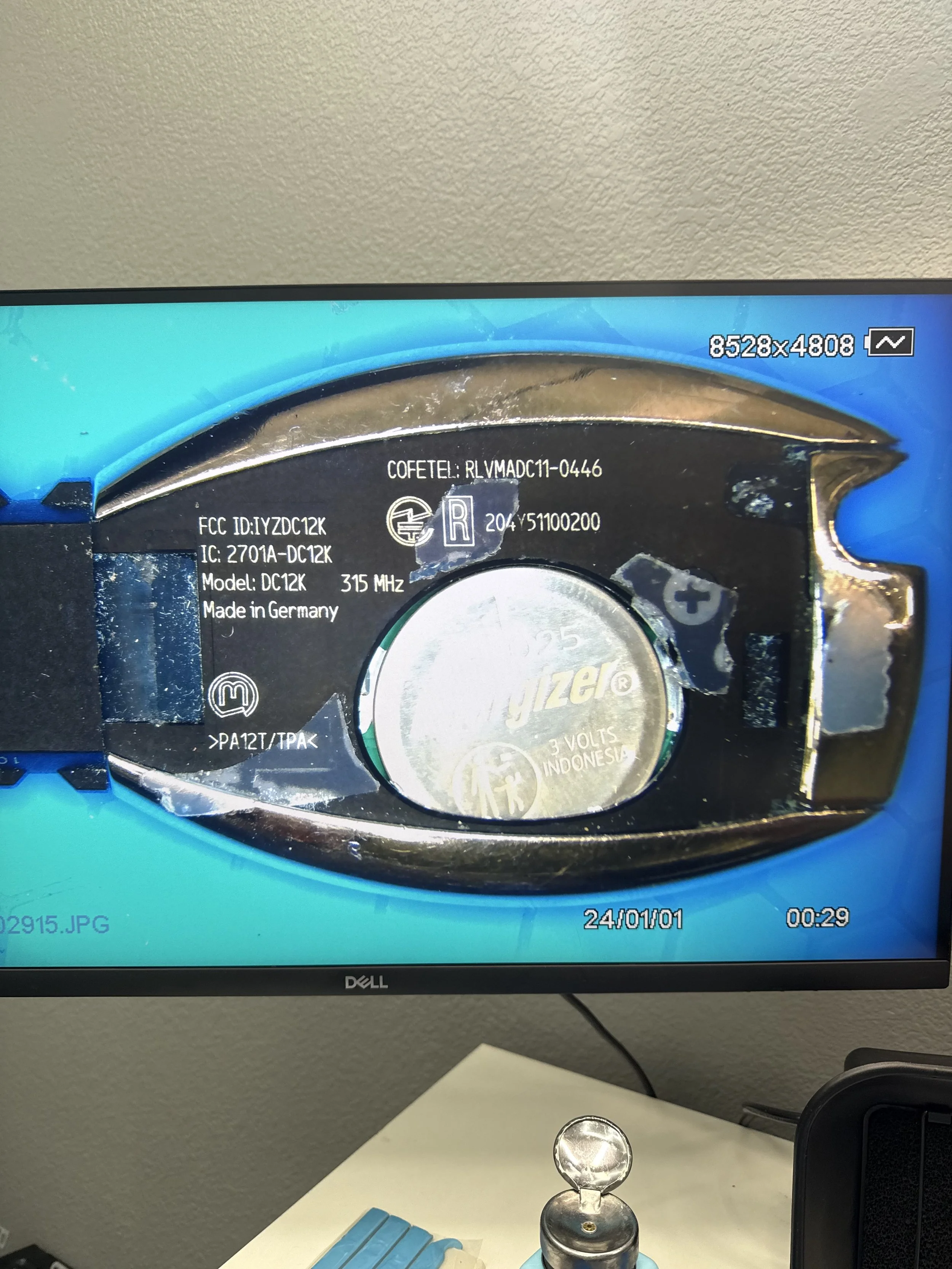
What We Examine
The vehicle was stolen. The key fob may have the answer.
Most vehicle theft investigations focus on the vehicle where it was found, what condition it was in, and what the surveillance captured. The key fob often sits in an evidence bag and is rarely examined. Often times it should be the first thing examined. Every fob carries a physical and electronic record that no other evidence source can replicate: whether it's factory original or a replacement, whether it was capable of operating the vehicle in its submitted condition, whether the wear pattern is consistent with the claimed use, whether the vehicle's security architecture makes the claimed theft method even possible, and whether the data recorded within is consistent with the claimed narrative.
For an SIU investigator building a fraud case, those findings can directly contradict the insured's narrative - a fob incapable of starting the vehicle, wear inconsistent with daily use, a theft method the vehicle's own security system makes impossible.
For a defense attorney representing an insured whose claim is disputed, those same findings produce objective evidence that either supports the narrative or clarifies it.
Fenix examines the fob forensically - physical condition, electronic state, transponder data, and vehicle security architecture - and documents exactly what the evidence shows.
Flat Rate Service. $950 per fob
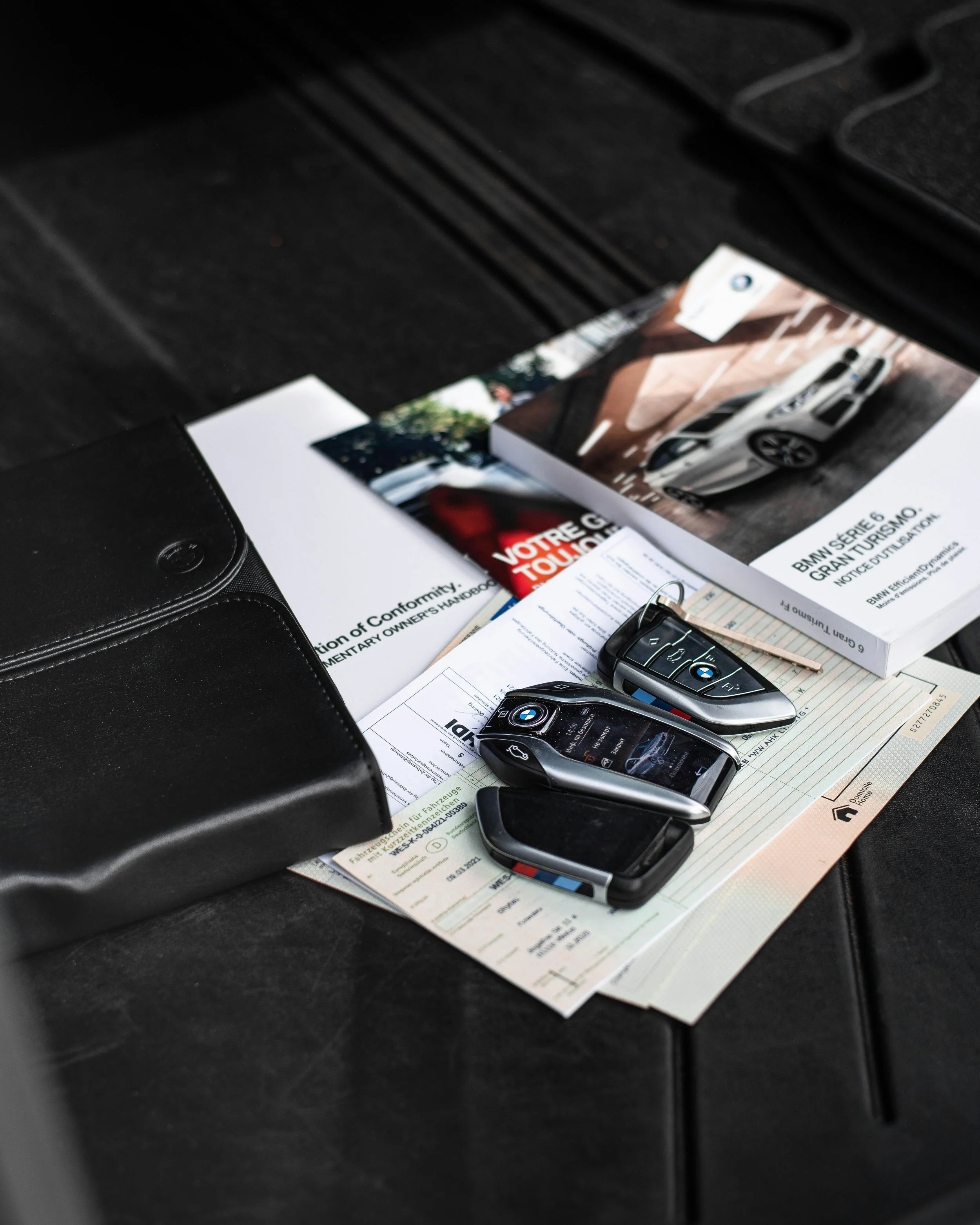
What The Fob Tells Us
The fob has more to say than most investigations ever ask of it.
Key fobs are designed to operate vehicles, not produce evidence. But the data they hold - transponder identifiers, physical state, and in many cases odometer readings, VIN associations, and usage logs - tells a story about how the key was used, whether it was capable of doing what the insured claims it did, and whether the claimed theft method is consistent with the vehicle's own security architecture. Most investigations never ask those questions. Most forensic examiners don't know how to answer them.
Physical examination requires an understanding of how fobs are manufactured, how wear accumulates proportional to use, and what deviations from expected condition actually mean. Electronic examination requires knowledge of transponder architecture, encryption standards, and how specific security systems - FBS3, FBS4, HITAG, and others - determine which theft methods are viable and which can be excluded entirely for that specific vehicle.
A key that shows minimal wear on a 150,000 mile vehicle and belongs to a security architecture that makes the claimed theft method unlikely tells a different story than the one being claimed. Fenix makes sure that story is in your case file.

When To Engage Us.
If the claimed narrative doesn't add up, the key fob is where the answer can be.
Vehicle theft claims involving keyless entry vehicles are among the one of the most difficult to investigate without forensic evidence. The fob is physical evidence that exists at the intersection of the claim and the truth. Whether the question is whether a relay attack was used, whether the submitted fob was even capable of operating the vehicle, whether the wear pattern is consistent with the insured's account, or whether a second undisclosed fob exists - these are forensic questions with forensic answers.
This service applies to any investigation where vehicle access is in dispute. Insurance fraud, stolen vehicle claims, criminal defense, civil litigation, and any matter where how or whether a vehicle was accessed is material to the case. The fob does not need to be intact - damaged, recovered, and disassembled fobs are all candidates for examination.
Frequently Asked Questions
-
A forensic key fob examination determines whether the physical and electronic characteristics of the submitted fob are consistent with the claimed narrative. That means evaluating which theft methods were viable for the specific vehicle, whether the fob was capable of operating the vehicle in its submitted condition, whether the wear pattern is consistent with the insured's claimed use, and whether the transponder data raises questions about undisclosed keys or unauthorized access. The findings either support the narrative or refute it.
-
Every known vehicle theft method - relay attack, OBD immobilizer bypass, key cloning, remote jamming, CAN injection, and others - is assessed against the vehicle's specific security specifications. Keyless entry system, immobilizer type, transponder encryption standard, push-start configuration, steering lock, and operating frequency all determine which attack vectors are possible for that vehicle. Methods that the vehicle's architecture makes impossible are excluded. Methods that remain viable are evaluated against the fob's physical and electronic condition. The result is a documented elimination framework that tells you exactly what could and couldn't have happened.
-
More than most investigators expect. Key fobs accumulate wear proportional to their frequency of use - button texture loss, dirt in logo recesses, blade wear. A primary daily-use key on a 150,000 mile vehicle looks different from a spare key that was handled infrequently. When the wear pattern on the submitted fob is inconsistent with the insured's claimed use that discrepancy is documented as a forensic finding.
-
A non-operational fob is itself a forensic finding. If the fob cannot perform the functions the insured claims it performed - unlocking the vehicle, starting the engine - that condition is documented and evaluated against the claimed narrative. In some cases a non-functional component eliminates claimed theft methods entirely. The examination documents what the fob could and could not have done in its submitted condition.
-
The examination is limited to what is submitted. If the insured claims only one key exists but the examination raises questions about a second undisclosed fob - through transponder data, wear pattern analysis, or other findings - that question is documented as a forensic finding. Submitting all available fobs allows cross-referencing of identifiers to detect clones, mismatches, or duplication that wouldn't be visible from a single fob examination.
-
Primarily insurance fraud and stolen vehicle claims - particularly keyless entry vehicles where relay attack, key cloning, or undisclosed key scenarios are in question. Also applicable to criminal defense, civil litigation, and any matter where vehicle access is disputed.
Ready to submit a case?
Flat rates. Forensic-grade output. Expert availability on every engagement - from discovery through trial testimony.